Bearer bonds are debt instruments that are not registered with the issuer, which means that the owner of the bond is entitled to the interest payments and principal repayment. Bearer bonds are often referred to as “unregistered bonds” or “wildcat bonds.” XRP is a digital asset that is designed to work as a medium of exchange. It is not a security, but it is similar to a security in that it is a store of value and can be used to purchase goods and services. XRP is not a security and is not subject to the same regulations as securities.
Which Is An Example Of A Bearer Bond?
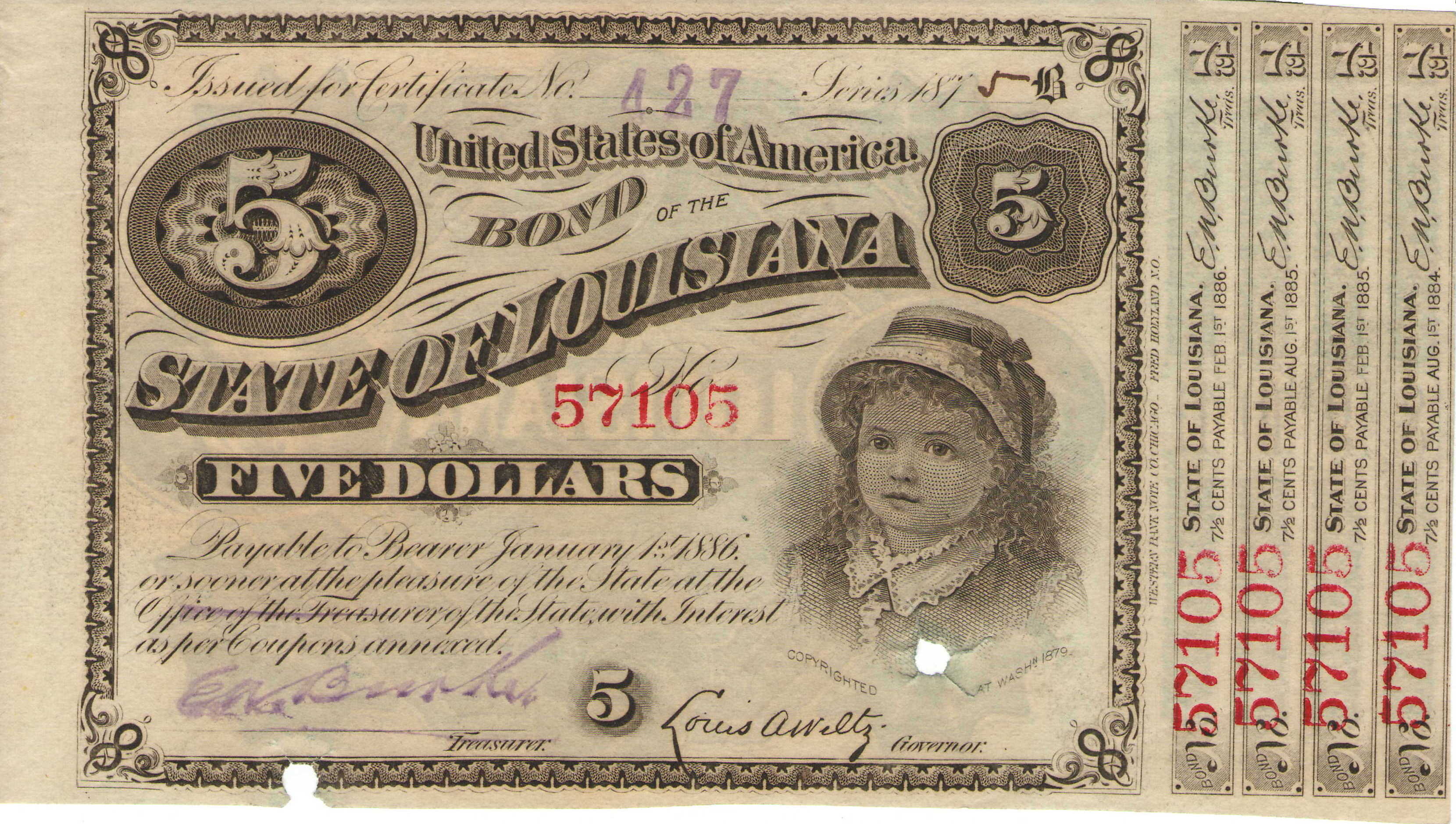 Credit: www.bakkenblogg.no
Consider a simple example: a bearer bond is the same as a currency note. In our possession, we become the caretakers. For example, if we find a dollar on the side of the road while walking, we simply pick it up and keep it.
The bearer bond, as opposed to a registered bond, is a fixed-income security that is owned by the holder rather than a corporation. These bonds, in contrast to government bonds, have stated maturity dates and coupon interest rates. The Tax Equity and Fiscal Responsibility Act of 1982 required the United States to stop issuing bearer bonds. Depository services allow the issuance of book-entry securities electronically, and the securities are registered with the investor’s name in the investors’ name, eliminating the need for a physical certificate. These bonds are typically kept in a bank or in a safe at home by their owners. Because of the securities, heirs cannot manage a deceased person’s investment portfolio.
What Are Bearer Bonds?
What is a bear bond? What are the differences between a bear bond and a normal bond? In financial terminology, a bear bond is a type of security issued by a financial institution and paid to the bearer on demand. In other words, the bearer bond holder is the only person permitted to withdraw funds from the bank or corporation that issued the bond. Security like this was first introduced in the early 1800s and gained popularity as a result of their use in illegal activities. In the past, gang and organized crime activities were frequently funded by bearer bonds. As a result, new bearer bonds were effectively illegal in the United States during the 1980s. Despite this, there are still some countries in Europe, Central America, and South America that issue bearer bonds. In Panama, widely regarded as a tax haven, the bearer structure has also been phased out. Due to the fact that bearer bonds were used in illegal activities, they are not widely accepted as payment in general. Nonetheless, the securities are still a popular choice for investment. When issuing new bearer bonds, financial institutions are typically required to provide a more detailed description of the bond to the public.
What Type Of Asset Is Xrp?
 Credit: negosentro.com
Ripple, a digital currency, acts as a bridge currency for other currencies. Because it does not discriminate between fiat and cryptocurrency, any currency can be exchanged for another.
Ripple, a payment settlement system and currency exchange network, allows you to conduct transactions all over the world. XRP is the native cryptocurrency on the Ripple network, and it consistently ranks among the top ten cryptocurrencies by market capitalization. Ripple’s standard transaction fee is 0.00001 XRP, which is less than half the cost of a bank’s large transaction fee. XRP was pre-mined, which means that the XRP Ledger created 100 billion units and released them on a regular basis. Because Ripple owns a portion of XRP in circulations, it is incentive for the cryptocurrency to grow. For a regular release into the market, a portion of the XRPs is held in reserve. This is a digital currency that is used by Ripple to process payments and other types of transactions. In some cases, a lot of XRP could be released at once, lowering the value of other XRP. If you believe that Ripple will succeed as a payment system, XRP is an excellent investment.
Brad Garlinghouse, Ripple’s current CEO, has a net worth of nearly $10 billion and is ranked 48th on Forbes’ list of America’s wealthiest people. He owns a significant amount of Ripple, the company behind the XRP cryptocurrency, as well as other businesses. XRP, one of Garlinghouse’s holdings, currently ranks sixth in the cryptocurrency market, with a market value of around $6 billion. The primary focus of Ripple is to provide banking and financial technology companies with software. It is not the only cryptocurrency used for cross-border transactions; XRP is also used to facilitate cross-border transactions. This is an important task that cryptocurrency enthusiasts can perform with Bitcoin, Ethereum, and Litecoin. Ripple’s operations are also funded through XRP, which is also used to fund the company’s operations. Since its inception, the company has raised over $3 billion in equity, and it anticipates raising another $500 million in the coming months. Ripple plans to use this funding to expand its operations and fund new projects. His involvement with Ripple dates back to its inception, and he is responsible for the company’s rapid growth. He sees the potential of XRP and is committed to seeing it become one of the most valuable cryptocurrencies.
Why Xrp Is The Best Cryptocurrency
A cryptocurrency is a digital asset that can be used to make online purchases. In addition to being a token, it is also a digital asset that is used to represent network ownership. Because XRP is a limited resource, it does not have a cap on how many coins it can generate.
What Happens If Xrp Is Classified As A Security?
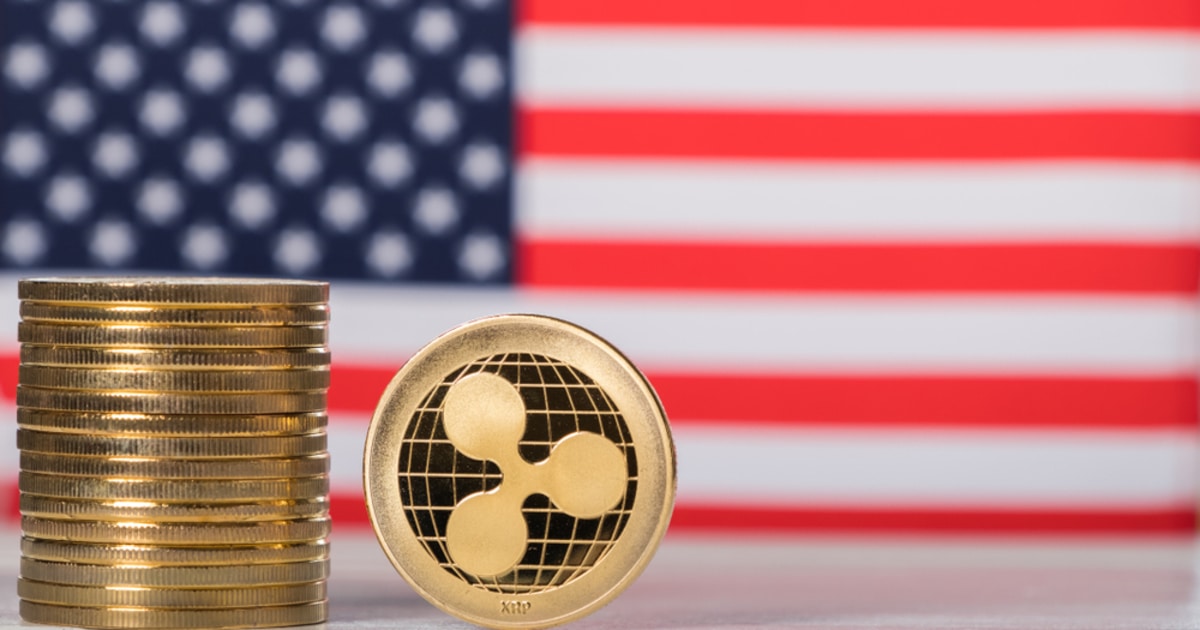 Credit: cryptopress.network
Although XRP is not a security because it does not meet the definition of a security term, it is a valuable asset in its own right. First and foremost, because it is classified as an asset, the asset category is not defined in the definition. There is only one asset class that it can be classified as (money), and that asset is not a security.
Because Ripple Labs could be designated as a security by the SEC, they would have to pay a fine if they did not. If XRP is declared as a security, it is possible that it will become worthless. If XRP suffered a panic sell-off, its price would immediately fall. XRP is the native currency for the products distributed by Ripple Labs. The company offers products for payment settlement, asset exchange, and remittance processing. Because transaction fees on Ripple are so low, they are relatively easy to destroy. When the transaction fee is reduced, it is most likely that it will be reduced.
Ripple is a cryptocurrency company founded in San Francisco that has extensive holdings in cryptocurrencies. The 100 billion XRP tokens held by Ripple will be valid for many years to come, with a total of over 60 billion. Because many banks and financial institutions are expected to adopt Ripple, demand for XRP will rise as a result.
The Sec’s Ripple Lawsuit Could Have A Major Impact On Xrp
In the event that the SEC sues Ripple, XRP will be classified as a security and must be held by a qualified custodian. It is possible that cryptocurrency prices will be severely impacted by this, because the SEC would be in charge of regulating it.
What Are Bearer Bonds Used For
As with other investments, the bearer bond’s owner’s anonymity can be maintained. Essentially, the goal of these bonds is to lend and borrow money, as opposed to mortgages and bank loans. A company, such as a corporation, or a government, may issue a bearer bond, which is a type of debt security.
A bearer bond, as opposed to a regular bond, is a fixed-income security with a fixed interest rate. There is a coupon rate and a stated maturity date on bear bonds, and they are negotiable instruments. Beginning in the late nineteenth century and continuing until the end of the twentieth century, federal or state governments and corporations issued bearer bonds in the United States. Wealthy investors, who valued privacy, preferred the safety of bear bonds. They attracted criminal organizations because they could hide their profits and activities in anonymity. Regulators are now requiring large investment sums to be registered and tracked. This reduces the likelihood of money laundering or tax evasion.
When an investor’s certificate is not registered, they are effectively left to fend for themselves and lose it, stolen, or destroyed. Bearer bonds were frequently used in various schemes and criminal activities, in addition to being used as manipulation bonds. They may or may not have retained their face value if they were issued by corporations. These bonds were formed during the past, and they are heavily influenced by this time period. During the twentieth century, there was a lot of interest in investment vehicles. When attempting to redeem a bond at maturity, a bank must be present. Coupons that can be lost in the mail make it difficult to obtain interest payments.
Despite their flaws, some investors continue to use bearer bonds because they are convenient and anonymous. The value of these bonds is determined by the price of comparable government bonds as they are not currently traded on major exchanges.
The Risks Of Bearer Bonds
Despite the fact that bearer bonds are negotiable instruments and have a fixed maturity date, they are sometimes used. The bearer bond is especially popular in countries with weak financial institutions, where it is an efficient method of circulating funds. Due to the fact that bearer bonds are not registered, they can be used for money laundering and tax evasion. Send bonds certificates to the bond agent on behalf of the bond issuer so that they can be redeemed. To be considered for the IRS, you must complete the IRS Form W-9 and send a letter of instruction. The letter specifies the bond agent who will receive the payment and the address from which it will be sent.
What Is A Bearer Bond Worth
There is a difference in bond size between the regular bond and the Pink Diamond bond, which is $1,200,000 (normal) and $1,430,000 (hard).
Since 1982, only Bearer bonds have been issued in the United States. Bond bearer bonds are similar to other types of bonds in that they can be redeemed by anyone who owns them. If your bank no longer exists, the bond may no longer be valid for redemption. If the bond was called, the financial institution issuing it will return all remaining bonds and coupons to you. The Wells Fargo and US Bank are among the banks that still accept bearer bonds in the United States. Because the bearer bonds can be redeemed by anyone, they can be risky.
There are many examples of bearer bonds issued decades ago or by companies that no longer exist that are not valued as monetary instruments, but may still be collectible. Bondholders receive fixed interest payments as part of the bearer bond. The bond papers carry a coupon for interest payment in addition to the bond paper‘s physical location. In some cases, the value of bearer bonds may rise as a collectible as the number of bonds issued decreases, or as the rarity of these bonds increases.
Bearer Bonds
A bearer bond is a debt security issued by a government or corporation in which the bondholder is the rightful owner of the securities and receives periodic interest payments. The bond is issued in physical form and can be traded in the secondary market.
In Die Hard, Hans Gruber claims he was forced to take over Nakatomi due to $640 million in bearer bonds. At the end of the film, you can see the bearer bonds. Their denominations were frequently higher than that of common currency, making them easier to transfer large sums of money. In the film, Nakatomi Corporation is depicted holding $640 million in bearer bonds. In 1988, the investment bond was widely regarded as a risky investment. If there are so many of these bonds, it may indicate criminal activity. If Hans Gruber knew that these bonds were being held, he would be easily fingered as a suspect in the theft of these bonds.
Why was the use of bearer bonds discontinued in the United States? There are several reasons for this. One of the primary goals of the United States government is to prevent financial fraud. In terms of money laundering, the US government is more concerned with preventing it than preventing it. Criminals can launder money by using bearer bonds in a third way.
Despite the fact that bearer bonds have been phased out in the United States, they are still widely available elsewhere. Luxembourg, for example, has one of the few remaining countries that allow sales of those products. There are still places where you can buy them, despite the fact that governments are cracking down on them.
The Outlawing Of Bearer Bonds
Since the 1980s, the issuance of new bearer bonds has been prohibited in the United States due to their illegal use. When the issuer still exists, bonds issued before this date are eligible for redemption. Panama, one of the few countries that is seen as a tax haven, is one of several that have recently stopped using the bearer tax structure. The government of Luxembourg, for example, is still allowing the sale of bearer bonds, but these bonds are being revoked. Some of the countries may be relics of an earlier time, when security of bearer bonds was regarded as an alternative investment method.